
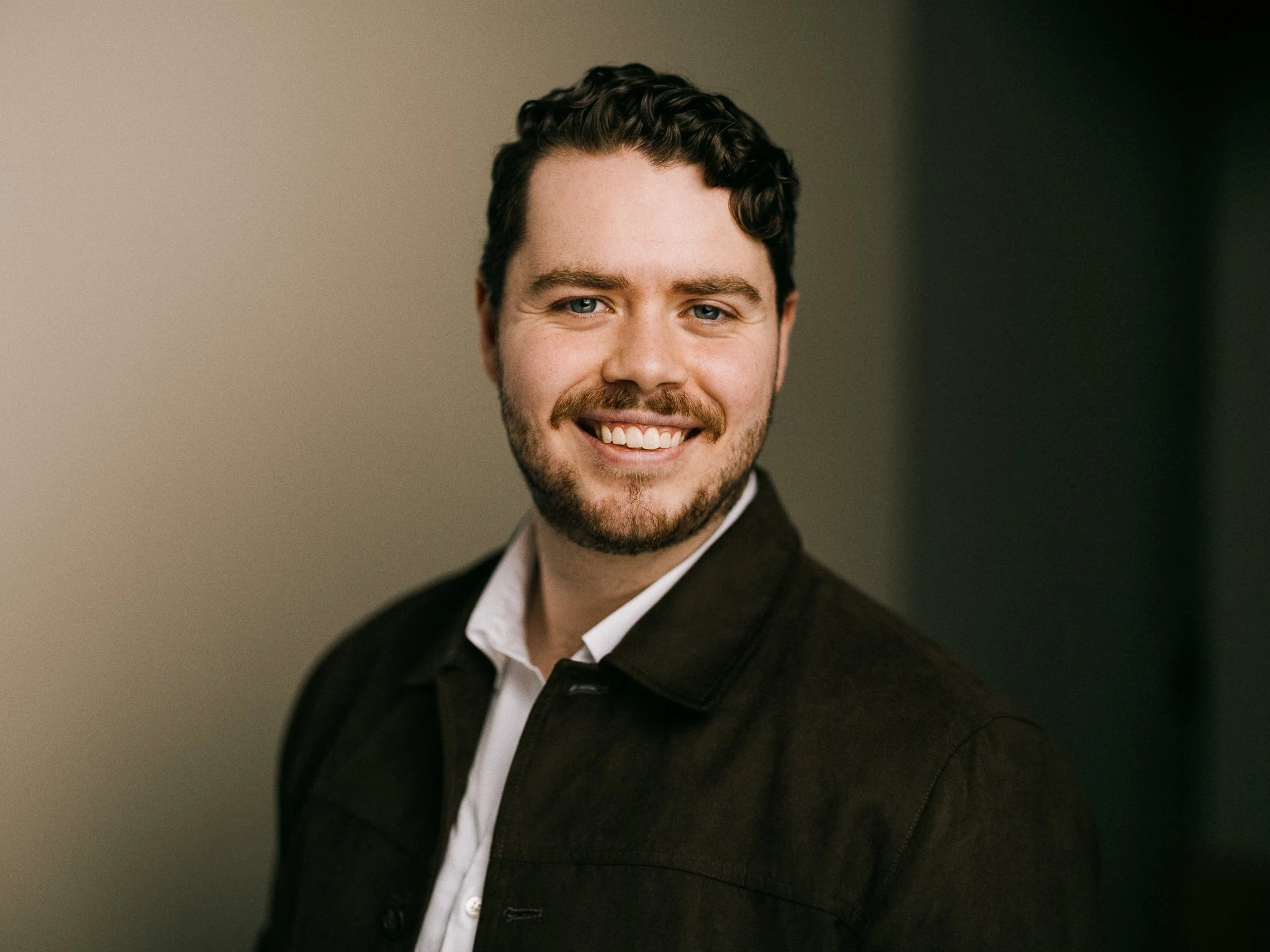
For the longest time, I’ve dreaded the title corporate photographer, even if it does represent some of the work that I do. I think my rejection of the term is in part because corporate photography often feels on the lower end of the creativity spectrum and where we photographers have little agency. It’s also because even the term corporate headshot is linked with negative connotations. For many people, a corporate headshot is a portrait that feels stuffy, stiff, posed, soulless, non-artistic, plain, rigid or boring. They are, however, useful and often necessary.
So what can we do to make a headshot work within a corporate setting, while creating something that feels a bit less corporate? A portrait that feels a bit more artistic? More alive? I’ve thought about this a lot since the literal phrasing “a corporate headshot that doesn’t feel too corporate” is one of the requests I hear the most often.
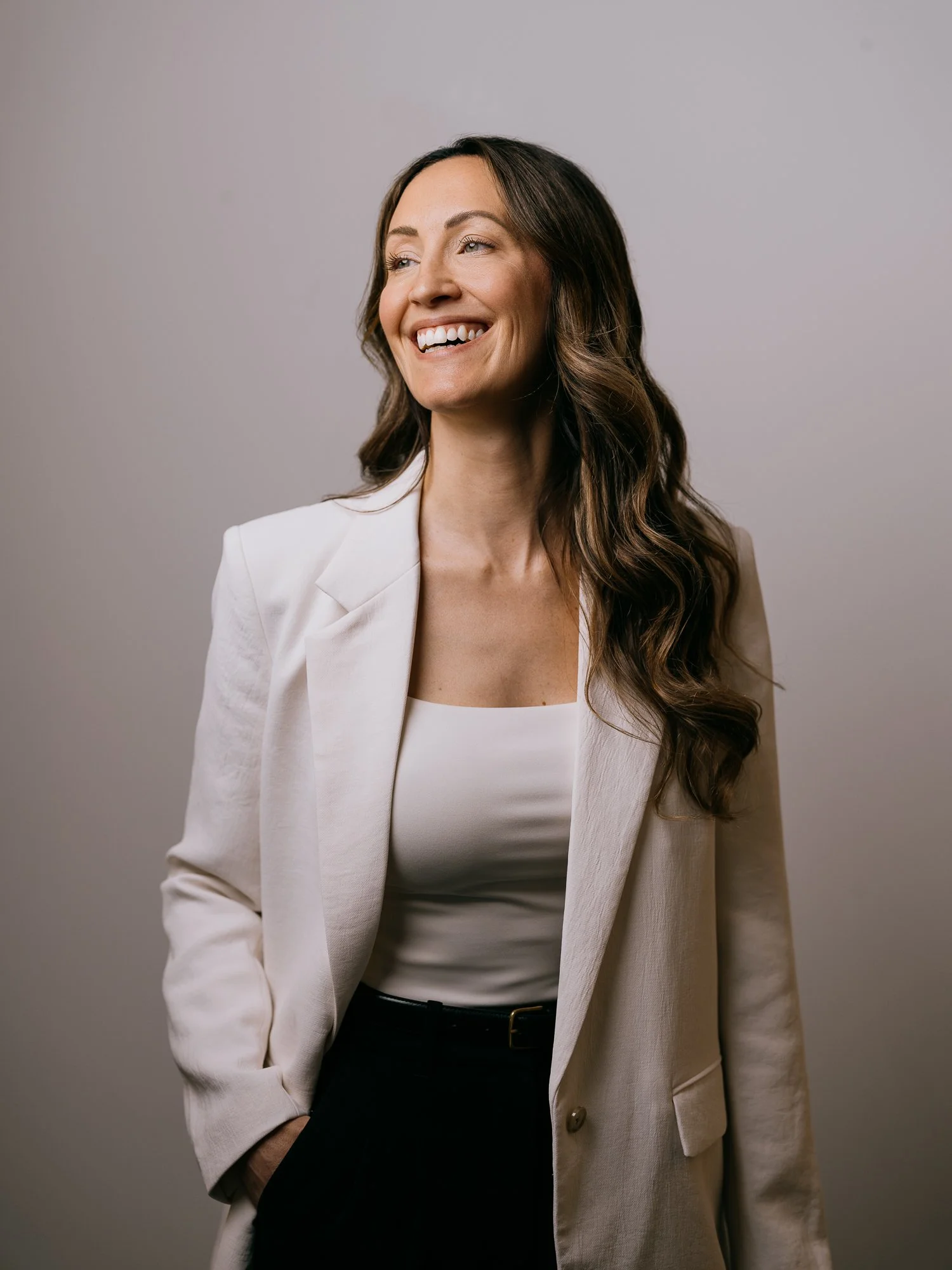
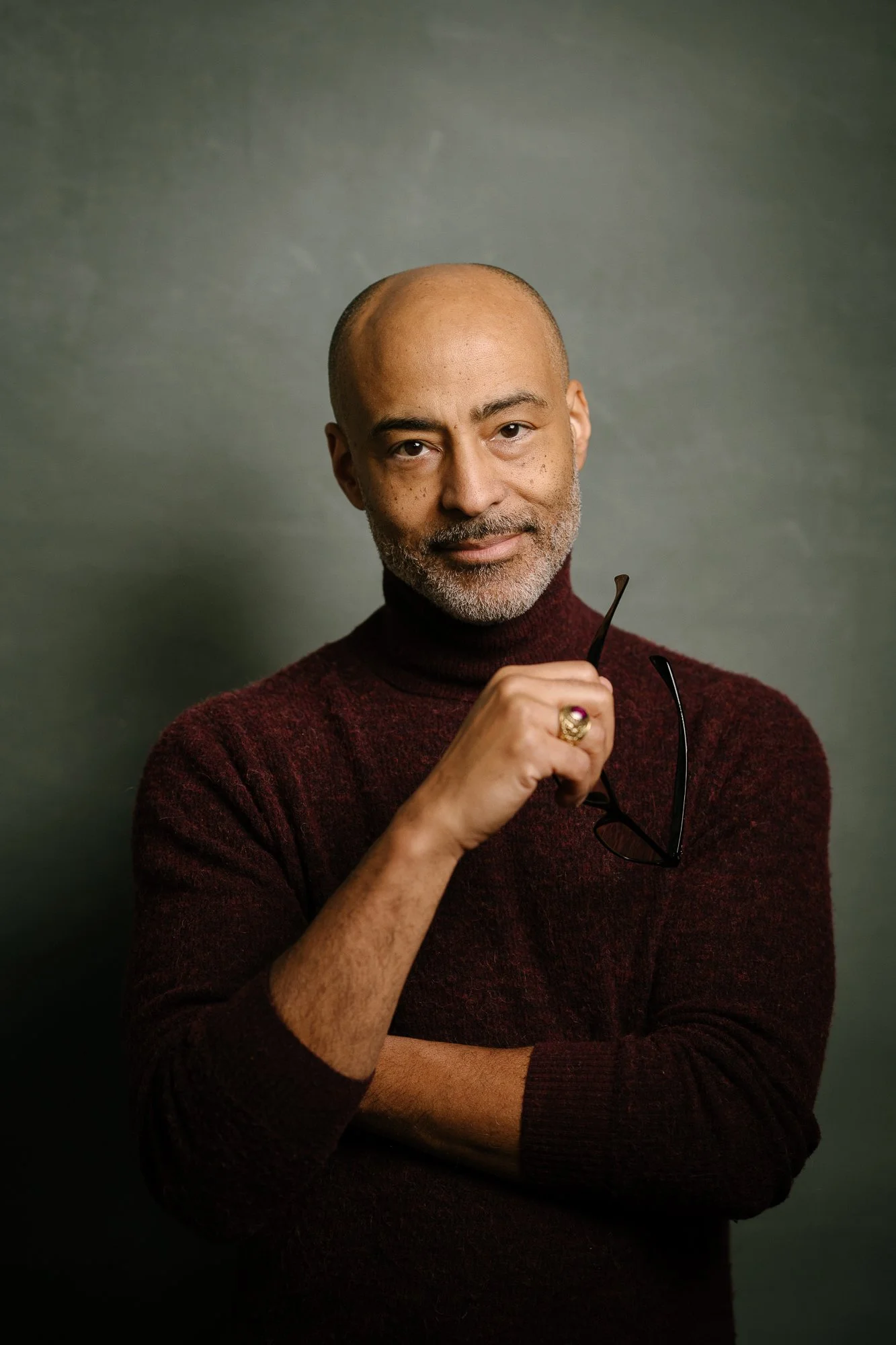
My personal take on this is the following. There are many levers in a headshot that we can control and as we play with these levers, we can push or pull a headshot towards a corporate look.
The levers that I see in a portrait:
Composition
Pose
Expression
Clothing
Lighting
Background
Processing
Imagine the most typical corporate headshot. In my head, we would have something like:
Composition: centred, head & shoulders
Pose: standing facing the camera directly
Expression: smiling with teeth (often looking forced too)
Clothing: formal suit and tie
Lighting: bright, even, almost clinical lighting
Background: pure white
Processing: skin is retouched to the point where it feels unnatural
What deviations from this can we take to get something slightly less corporate? For me, this might mean:
Composition: more play with negative space, while making sure that the headshot works on LinkedIn, Teams, etc.
Pose: trying more informal poses, like leaning forward and having more of a listening body language, having shoulders turn and/or head turn away from the camera, looking off-camera, and essentially inviting the full range of poses without caring if it adds folds or creases in clothing
Expression: trying everything from neutral expressions, to hints of a smile, to full genuine laughter, while avoiding at all cost a presented forced smile
Clothing: inviting everything from a suit and tie to a t-shirt, exploring different textures and colours and necklines, even playing with outerwear, with the only real objection being to avoid wrinkles on clothing
Lighting: inviting more shadows in the photos, moodier lighting, and finding ways to make even uniform lighting feel more natural
Background: avoiding pure white backgrounds, going to light grays instead, trying out soft gradients on the wall to make backgrounds feel more like a room rather than a studio
Processing: allowing more natural skin, accepting stray hairs, allowing a little dip into cinematic colour grading, and overall not aiming for too much ‘perfection’
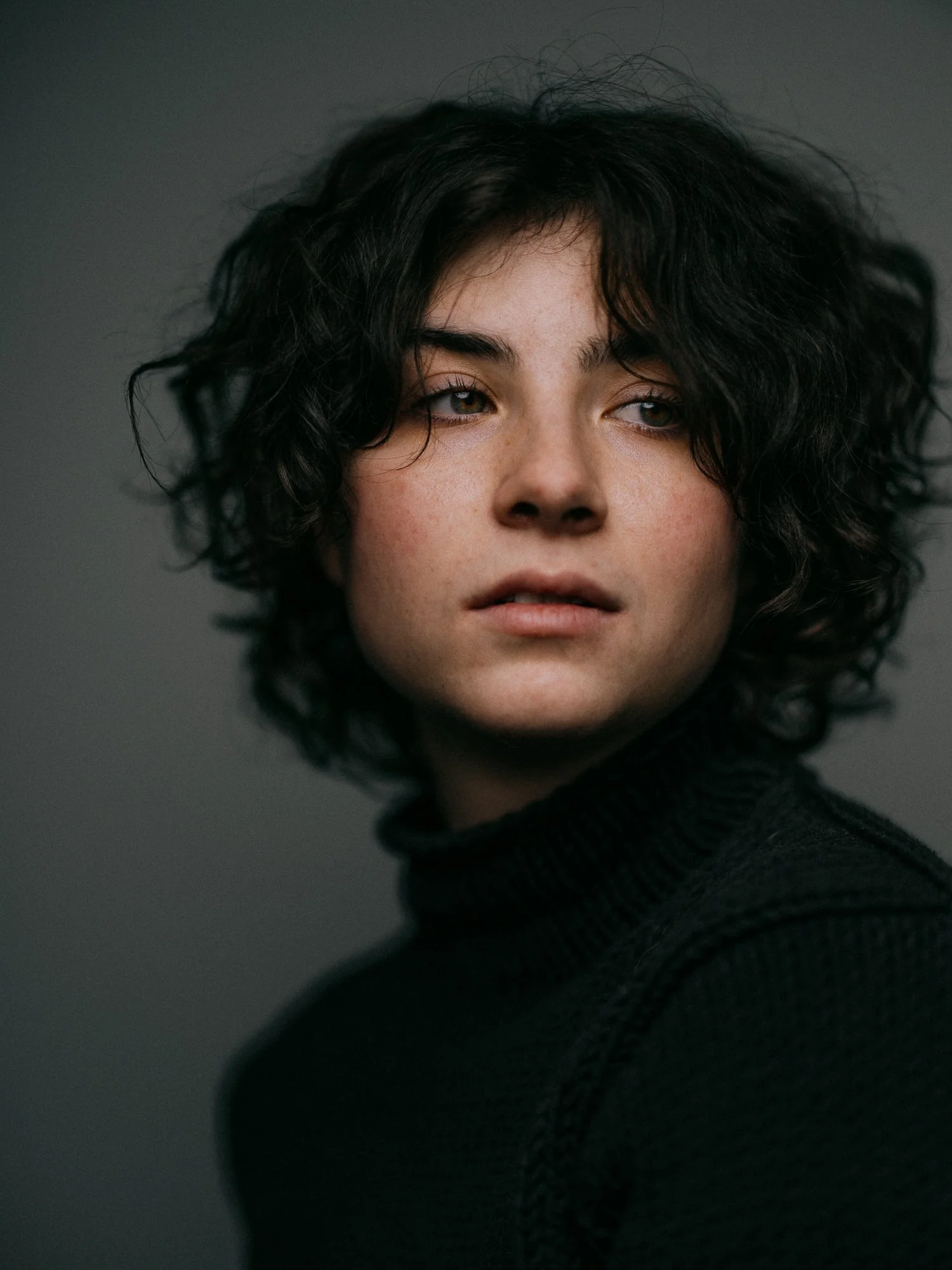
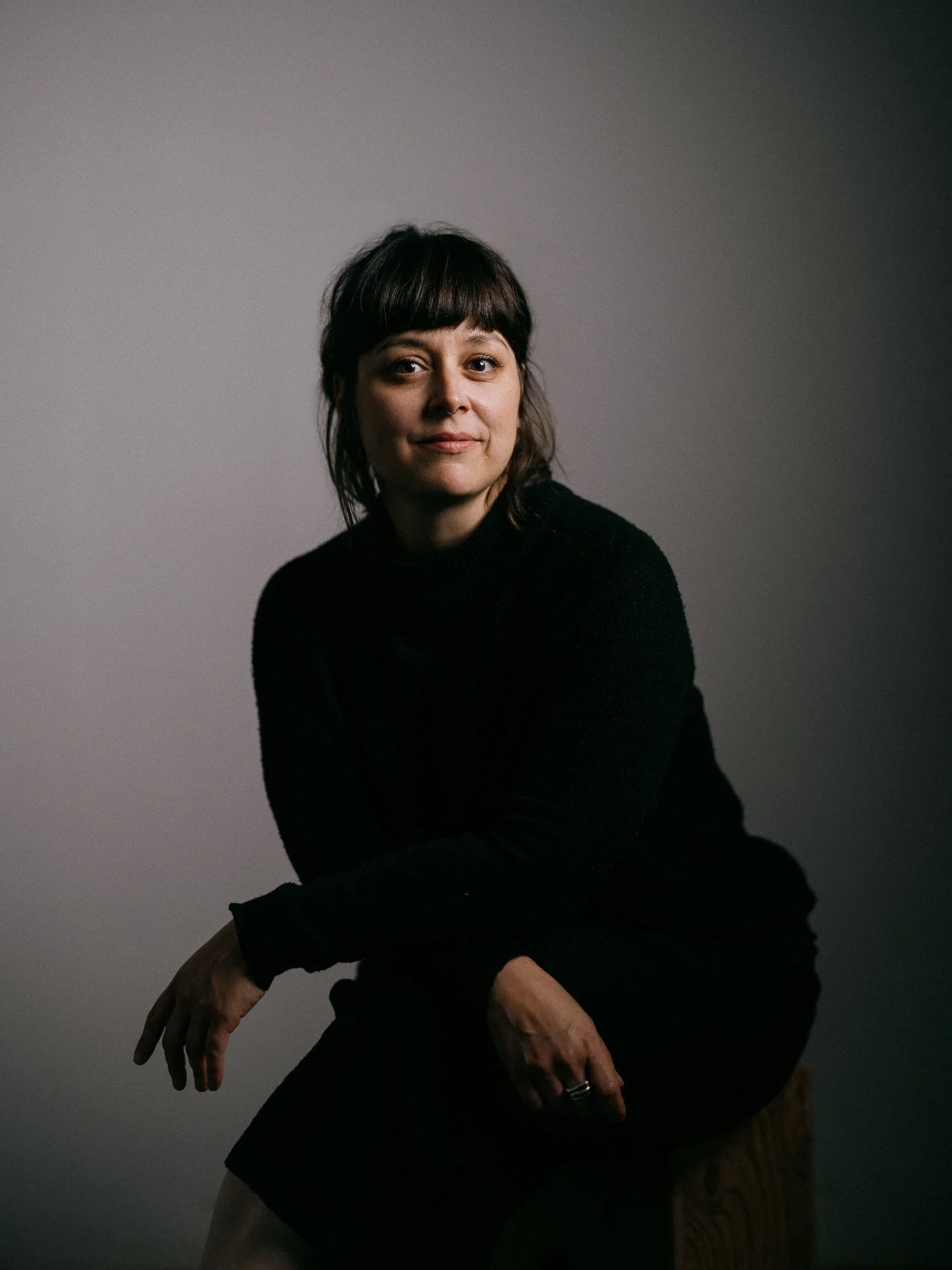
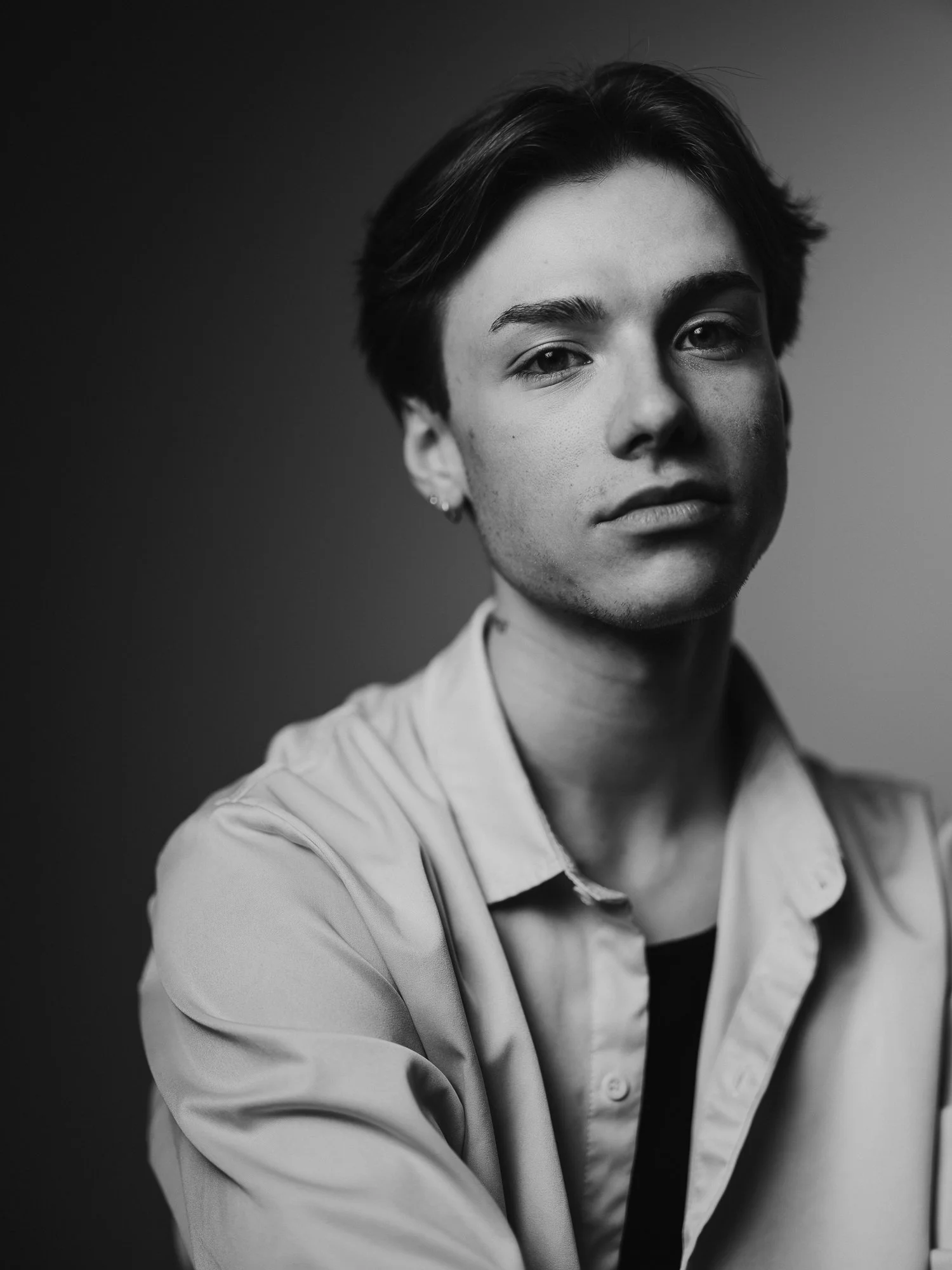
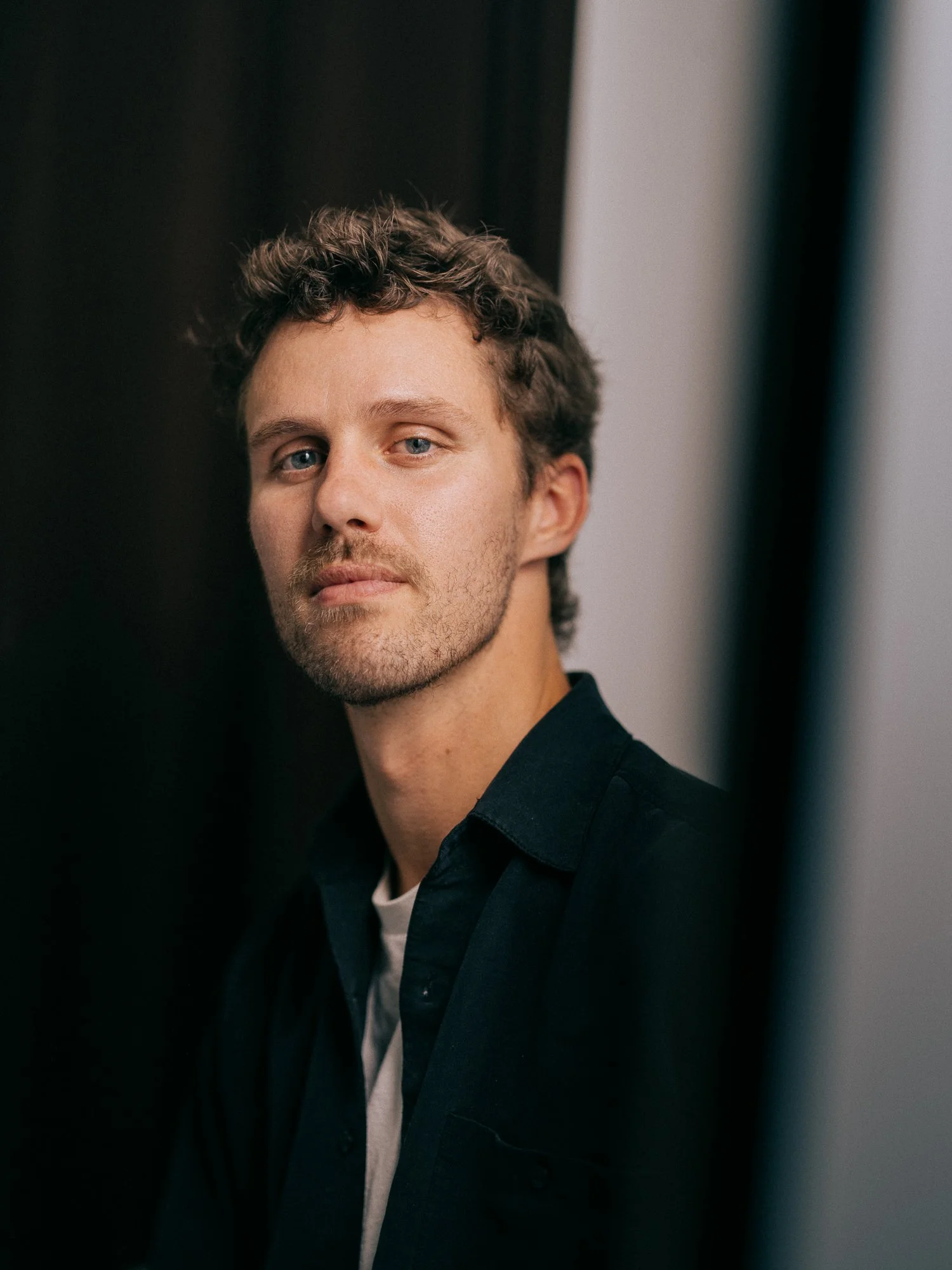
Depending on the field that my subjects are in and their personal preferences, we’ll have varying degrees of control over these levers. When I do a 1-2 hour headshot session in the studio, we have time to experiment and see what works and what doesn’t. I take some photos in a few different directions, I check-in with subjects, and then we go back and take more photos with a bit more intention and clarity.
Express headshot sessions work, but only if the subjects happen to like all the levers that the photographer has chosen beforehand. Longer sessions that are a bit more collaborative allow us to discover what fits best for us.
Thanks for reading!